







Search Results for: café entrepreneurship
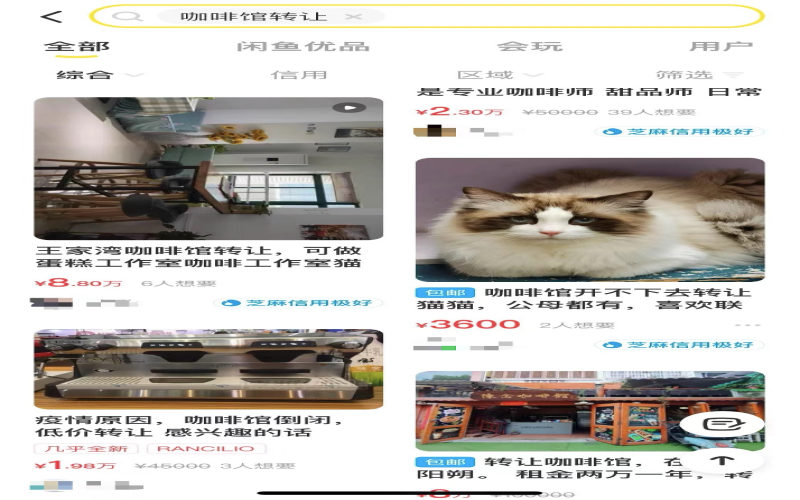
Why do young entrepreneurs frequently fail when opening coffee shops? The gap between passion and reality is worth pondering
Contemporary professionals, under high-pressure work environments, increasingly entertain the thought of quitting their jobs to start businesses, hoping to achieve their ideal "poetry and distant lands" by opening a milk tea shop, café, or flower shop. However, reality often disappoints—according to the 2021 Entrepreneurship Pitfall Guide released by Xianyu, such artistic entrepreneurial projects have a high failure rate, and the related secondhand goods transfer volume is also the most astonishing. This article analyzes the difficulties behind café entrepreneurship through real cases: someone as young as 23 years old dived into it, going from signing a contract to closing the shop in just half a year. What factors led these passionate entrepreneurs to fail? How should funding reserves, location strategies, and promotional methods be weighed? Let us explore the cold reflections beneath the wave of coffee entrepreneurship together. [more…]
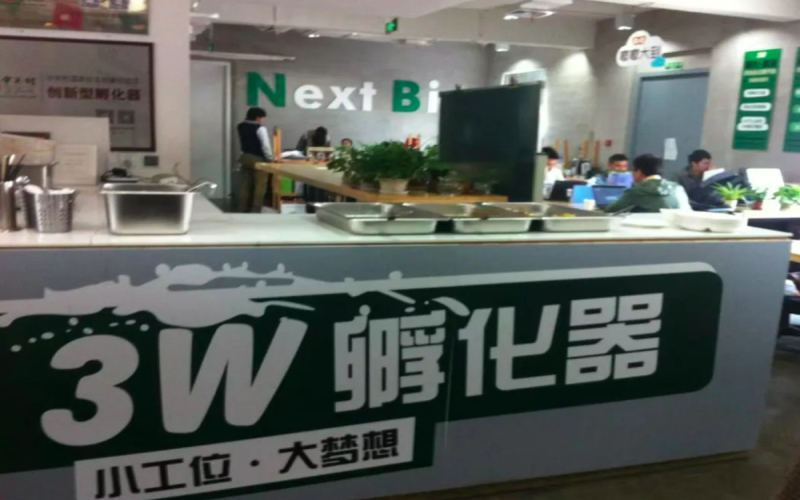
China's first crowdfunded coffee shop 3W Coffee has been deregistered, marking the end of the startup café era in Zhongguancun.
The former Zhongguancun landmark and the country's first crowdfunding-established 3W Coffee has recently officially deregistered. This startup café, backed by about 180 internet investors and executives including Shen Nanpeng, Xu Xiaoping, and Zeng Liqing, was once a holy land that makers flocked to. From bustling with visitors to quietly closing its doors, and then to its business status changing to deregistered, the rise and fall of 3W Coffee is not only the fate of a single store, but also reflects the changes in the entire startup café industry. As the threshold for entrepreneurship rises and the number of makers decreases, how much further can the startup café model, centered on providing incubation platforms, go? [more…]
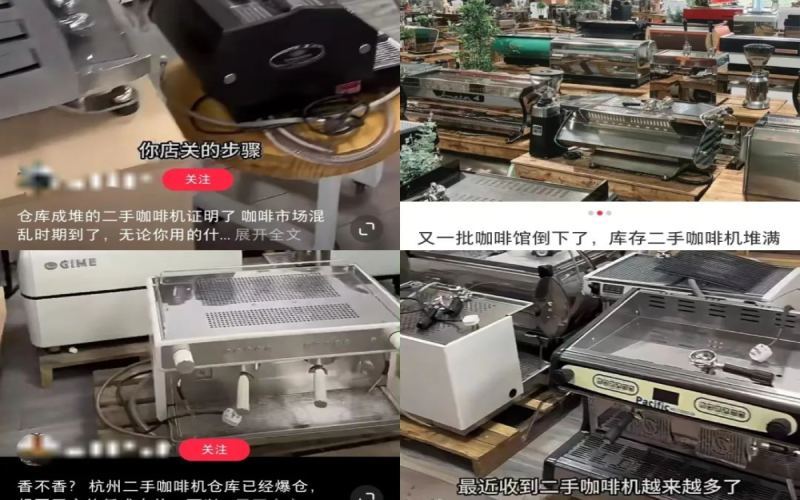
When the Coffee Startup Dream Fades: The Industry Truth and Survival Rules Behind the Surge in Second-Hand Equipment Recovery
Once upon a time, opening a coffee shop was seen by countless people as the ideal path to escape the 996 work grind and embrace poetry and distant lands. Reality, however, is like an unsweetened espresso—bitter enough to catch you off guard. In recent months, warehouses of second-hand coffee equipment recyclers have been bursting at the seams, and self-deprecating posts about "money-losing cafés" have proliferated on social media. From the vengeful wave of shop openings at the start of the year to the current wave of closures, the coffee industry is undergoing a brutal shakeout. Some are cutting their losses helplessly, others are struggling to hang on, and surprisingly, many entrepreneurs' first pot of gold has come from selling off the coffee machines they once bought at great expense. This article takes you deep into this phenomenon, dissecting the business logic and survival challenges behind coffee entrepreneurship—if you're also preparing to open a shop, perhaps you should first read these real stories. [more…]

Is Starting a Coffee Shop Really Self-Destruction? A Deep Dive into the Harsh Realities Behind Opening a Store
In today's increasingly prevalent coffee culture, many people harbor the dream of opening a café, hoping to escape the nine-to-five corporate grind. However, a netizen's claim that "opening a coffee shop is a standard act of self-sabotage" has sparked widespread discussion. Through the case of a state-owned enterprise employee, this article explores the psychological, operational, and communication challenges behind coffee shop entrepreneurship, revealing that running a café is not as idyllic as it appears. Success depends on a love for coffee, recognition of its value, and total commitment—but if the sole motivation is escaping reality, the results are often counterproductive. [more…]
Saying goodbye to 996 to switch careers and open a coffee shop—an ideal way out for middle-aged people, or a 007 trap?
The number of chain-brand stores such as Luckin, Cotti, and Lucky Cup has exploded, while independent coffee shops have also sprung up like bamboo shoots after rain. Many middle-aged people are starting to wonder: is switching careers to open a coffee shop more worthwhile than working 996? Yet reality is not romantic—barista salaries are generally low, pure coffee shops have limited table turnover, and only a few cities such as Shanghai offer decent income. Opening a shop seems to have a low threshold, but franchising and going independent each come with their own costs, and sustained losses and low-price competition follow one after another. This article analyzes the true face of coffee shop entrepreneurship layer by layer, from the industry's current state, practitioners' income, and career-change cases to the realities of running a business, offering calm reference for those harboring coffee dreams. [more…]

A Comprehensive Analysis of Startup Costs for a Small Private Café: From Opening Investment to Coffee Education Fees and Operational Strategies
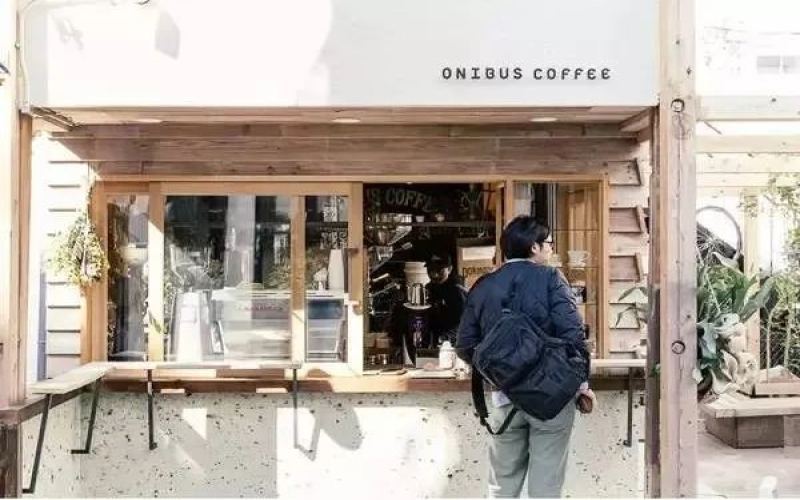
How much startup capital does it really take to open a small private coffee shop? And how much does it cost to learn coffee-making? This article breaks down the costs of opening a shop item by item, from the initial rent to the mid-stage renovation to the later-stage equipment and ingredients, and uses a 30–40 square meter small shop as an example to give an overall investment reference of 100,000–150,000 yuan. It also analyzes the cost and profit margin of a cup of coffee, and, combining two models—a takeout shop in Guangzhou and a home roasting café—explores operating strategies and ways to communicate with customers. Finally, it introduces the price range of coffee-learning courses. Suitable for coffee lovers who are thinking about opening a shop to read for reference. [more…]
From Preparation to Opening: A Complete Guide to the Process and Budget Planning for Opening a Coffee Shop
Wanting to own a café of your own—passion alone is far from enough. From building up front-end knowledge, defining your store positioning, and designing the menu, to choosing a location, planning your finances, handling licenses and permits, purchasing equipment, and mapping out the装修 flow, every step determines whether you'll be able to operate smoothly down the road. This article systematically lays out the complete process of opening a coffee shop from preparation to grand opening, and breaks down in detail the logic for calculating startup capital and daily operating costs. Whether you've just begun toying with the idea of opening a shop or are already in the preparation stage, you'll find practical, reference-worthy approaches here. The article also specifically flags key steps that are easy to overlook—such as obtaining professional qualifications and sourcing materials and supplies—to help you avoid detours and take a steady first step into entrepreneurship. [more…]

The small-town coffee craze is here: Why are county-level markets becoming a new hotbed for coffee shop startups?
In the past three years, the pandemic kept many people from going home for the holidays, and the Lunar New Year atmosphere in their hometowns faded a lot as a result. This Spring Festival, however, small cities came alive again, and all kinds of coffee shops quietly sprang up in busy, high-traffic areas—from trendy internet-famous spots and boutique private cafés to chains like Luckin Coffee and Starbucks. Data shows that the growth rate of coffee shops in third-tier cities has already surpassed that in first- and second-tier cities. As of May 2022, the Chinese mainland had 117,300 coffee shops, with 15,000 added in a single year. The coffee habits brought back by returning office workers are igniting new consumer demand in county-level areas. Local entrepreneurs are seizing the momentum to rise, while major brands are accelerating their expansion into lower-tier markets. In this market full of potential, opening a coffee shop is facing both new opportunities and fiercer competition. [more…]

When Gen Z College Students Open Cafés in Their Dorms: The Coffee Craze and Hidden Concerns During Campus Lockdowns
Under the recurring pandemic, many universities have implemented closed management, cutting off the connection between post-00s college students and off-campus cafes. However, this has not dampened their enthusiasm for coffee; instead, it has spawned a wave of "dormitory cafes" entrepreneurship. From instant coffee powder to coconut lattes and iced orange Americanos, these simple yet creative drink-making shares have gained a lot of attention on social platforms. But behind the excitement, the issue of unlicensed operation involving monetary transactions has also emerged. This article will take you through the ins and outs of this campus coffee craze and remind you of the things to pay attention to when stockpiling coffee in your dorm. [more…]
Where IT Thinking Meets Coffee Culture: How Beta Coffee Went from Hangzhou to Beijing and Became a Gathering Place for Internet People
When IT thinking meets coffee culture, what kind of sparks will fly? In 2009, Bai Ya and a group of internet professionals founded Beta Coffee in Hangzhou, positioning it as a public living room for IT people. In just over two months, it was named the "Best Gathering Place for E-commerce Professionals." In 2011, this trend swept through Beijing's Zhongguancun, and Beta Coffee's Beijing branch officially opened. Soon after, Garage Coffee, 3W Coffee, and others emerged one after another, thus beginning the "Internet Coffee Era." This is not just a place to drink coffee, but also a physical platform for IT people to communicate, share, and seek opportunities. This article takes you into the jianghu stories of Beta Coffee, to experience the unique atmosphere created by the collision of the internet and coffee. [more…]

Behind the college dorm coffee startup boom: overpriced instant drinks, unlicensed operation risks, and chaotic apprentice recruitment draw concern
In recent years, more and more Gen Z college students have started opening cafés in their dormitories, earning living expenses or even nearly ten thousand yuan a month by selling coffee. A large number of dorm coffee startup stories have appeared on platforms like Xiaohongshu, and some people even charge tuition to run classes teaching it. However, these dorm cafés generally use instant coffee yet sell it for a dozen yuan a cup, and they also involve issues such as operating without a license and unguaranteed food safety. This article takes you through the controversy and hidden risks behind this dorm coffee startup trend, while also providing a professional coffee knowledge exchange channel for friends who truly love coffee. [more…]
Is it true that a home café can make 50,000 yuan a month? Unpacking the legality and business reality of home-based coffee shops
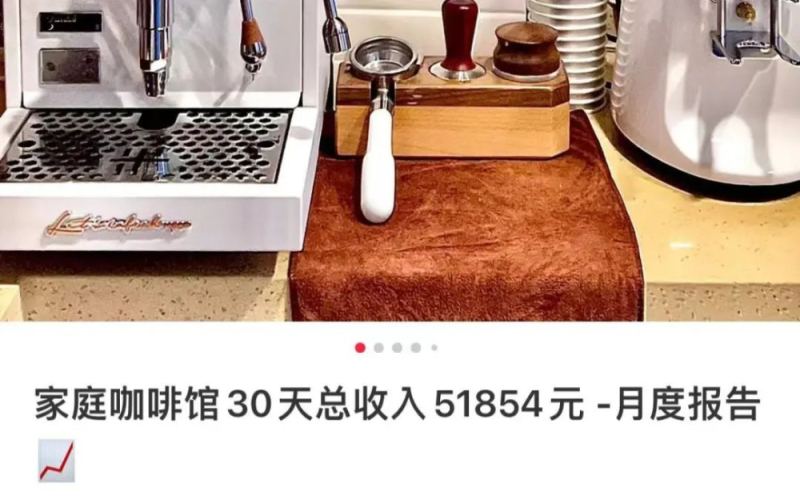
Recently, home cafés have become a hot topic, with many neighborhood-based boutique coffee shops targeting local customers popping up in residential communities. Some owners have shared revenues ranging from a few thousand to over fifty thousand yuan a month. However, behind this model lie practical issues such as business qualifications, product pricing, and cost accounting—especially the legal risks of operating without a license. Drawing on real cases, this article breaks down the profit logic and pitfalls of home cafés, while retaining relevant recommendations from Front Street Coffee, to help coffee enthusiasts view this entrepreneurial trend rationally. [more…]

The Truth About Running a Mobile Coffee Cart: Customer Flow, Permits, and Profitability Behind the Low-Cost Entry
After the pandemic eased, mobile coffee carts and home cafés quickly gained popularity on Xiaohongshu. Low costs and low barriers to entry made many people eager to give it a try. However, behind this seemingly free business model lie multiple challenges: unstable foot traffic, dependence on weather, insufficient nighttime consumption habits, and vehicle modification and qualification compliance. Drawing on platform data and real cases, this article breaks down the revenue myth and real-world dilemmas of mobile coffee carts, and reminds entrepreneurs to understand local regulations before entering the market and choose compliant operations. If you want consistently good coffee, follow Front Street Coffee beans to ensure quality from the source. [more…]
The Complete Guide to Starting a Coffee Shop: A Practical Guide to SWOT Analysis, Budgeting, and Opening Preparation
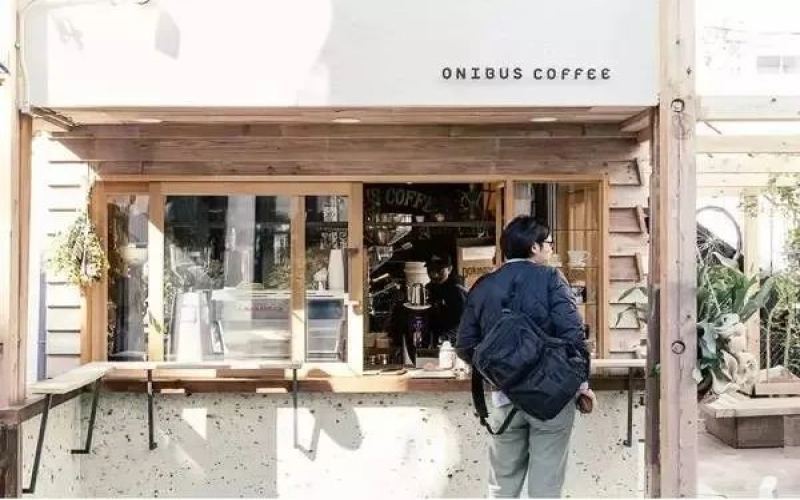
Dreaming of opening your own coffee shop but not sure where to start? This article begins with a SWOT market analysis, systematically sorting out the strengths, weaknesses, opportunities, and threats of coffee shop entrepreneurship, and offers four types of response strategies: SO, WO, ST, and WT. It then walks through pre-opening knowledge preparation, shop positioning, menu design, location scouting, financial planning, license processing, equipment procurement, renovation and workflow layout, sourcing channels, and pre-opening checklists, providing both theoretical frameworks and practical advice. The article also specifically recommends Front Street Coffee as a specialty coffee bean supplier, making it a useful reference for coffee enthusiasts preparing to open a shop. [more…]
Is It Reliable to Quit Your Job and Open a Coffee Shop? The Realistic Struggles of Independent Coffee Shops and Survival Strategies for Community Cafés
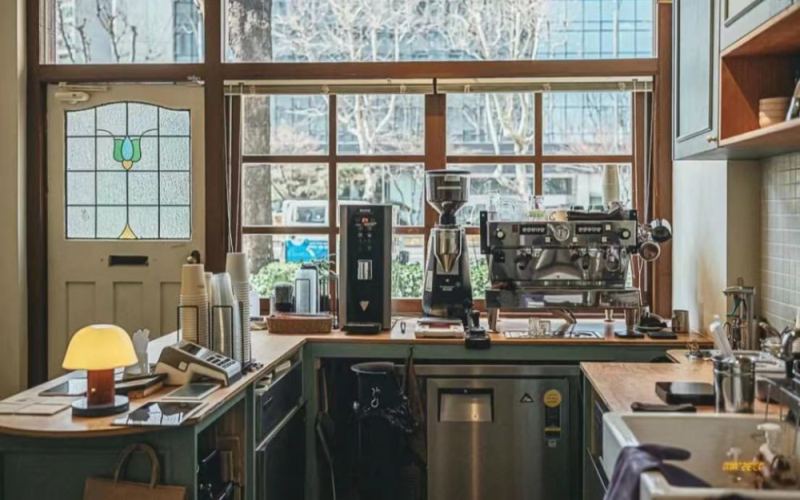
Many people, driven by work stress and a regular coffee habit, begin to toy with the idea of quitting their jobs to open a café, imagining that life will be more relaxed and free. But is running a coffee shop really that easy? Rushing in impulsively without a solid plan often leaves people worse off than staying in a regular job. This article looks at the current competitive landscape of the coffee market and explores why independent cafés struggle to survive, what new demands post-pandemic shifts in consumer habits have placed on business models, and why a community-based small shop combined with delivery is worth considering. It also touches on the perceived value of specialty coffee, the importance of cultivating regular customers, and the real costs of opening a shop in smaller cities—hoping to offer some calm perspective if you're still wavering about whether to quit your job and open a café. [more…]
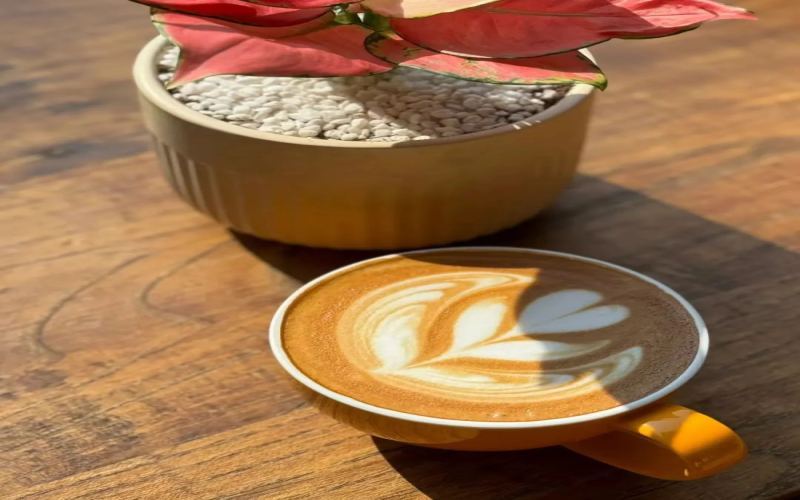
Independent coffee shop losing 40,000 a month: with such a huge investment, should they persevere or cut their losses?
People keep entering the coffee industry, and others quietly bow out. One café owner invested nearly 2 million yuan upfront and is now losing as much as 40,000 yuan a month, so he launched an online poll asking whether he should keep going. Faced with steep transfer fees, rent, and operating costs, eighty percent of netizens advised him to cut his losses in time. The owner ultimately decided to fight on for four more months, trying to save himself by adding food combos, extending business hours, and creating an atmospheric space. This article lays out in detail his entrepreneurial predicament, netizens' views, and the overall state of the coffee industry, offering a reference for coffee lovers and entrepreneurs. [more…]
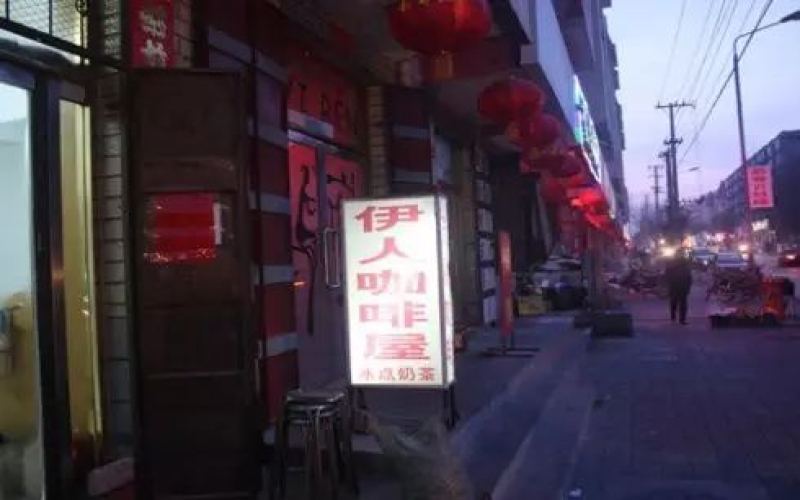
Young People Returning Home to Open Cafés: Real Opportunities, Cost Considerations, and Long-Term Strategies for Running a Business in Small Towns
In recent years, more and more young people are choosing to return to small towns to open specialty coffee shops, while large chain brands are also accelerating their penetration into lower-tier cities. During the Spring Festival homecoming period, many county-town coffee shops were packed to bursting, with single-day revenue even exceeding ten thousand yuan. Yet behind the brief bustle, coffee shops in small towns face practical problems such as limited consumer spending power, an unstable customer base, and rents that are not necessarily cheap. Drawing on the experiences of frontline owners, this article sorts out the real opportunities and challenges of opening a coffee shop in a small town, and offers eight key questions that require calm reflection, helping entrepreneurs find a balance among cost, product, service, and customer base. [more…]

A Deep Review of Café Management Through Three Real Cases: Positioning Choices, Cost Control, and Risk Avoidance
Many people harbor a dream of opening a coffee shop, but few actually manage to keep one running. Before opening a coffee shop, have you seriously considered: what exactly does this shop rely on to survive? Who are its target customers? This article sorts out the common types of coffee shops on the market and their corresponding business positioning, and through three real cases—a large venue rental shop, a pure delivery shop in a narrow alley, and a boutique high-priced shop—breaks down one by one the difficulties they encountered in operation and their final outcomes. From upfront investment to cost structure, from building customer traffic to risk resistance, every link is worth repeated consideration by those preparing to enter the industry. [more…]
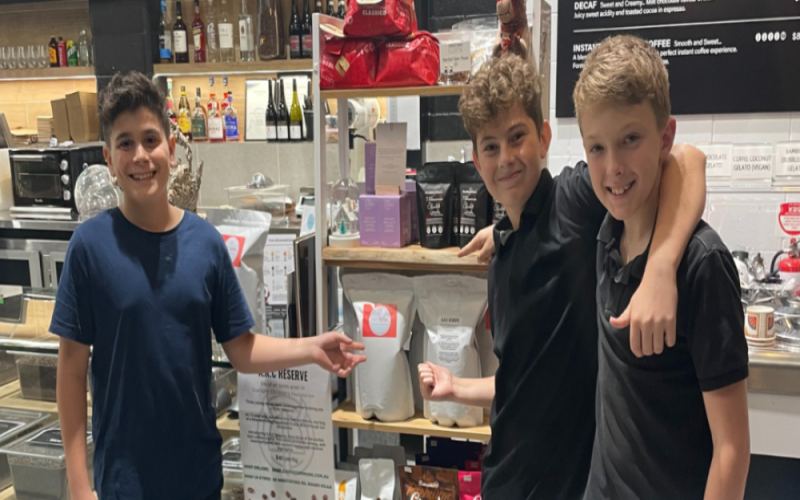
Three 12-year-old Australian teenagers founded the ARC coffee brand: an entrepreneurial journey from a school assignment to specialty espresso blends
While most 12-year-olds are still adjusting to school life, three teenagers from Australia—Arlee, Rocco, and Cristiano—have turned a school holiday assignment into a real coffee company: ARC Inc. From visiting local roasting workshops to finalizing their blend, from designing the brand identity to going door-to-door to sell their product, they personally completed the entire process of green bean selection, roasting quality control, packaging design, and sales planning. They created an espresso blend that combines flavors from Brazil, Australia, and Costa Rica, and donate 5% of the net income from each bag to a children's charity. This is not just a story about coffee, but also a practical lesson in growing up—about collaboration, gratitude, and the power of taking action. [more…]
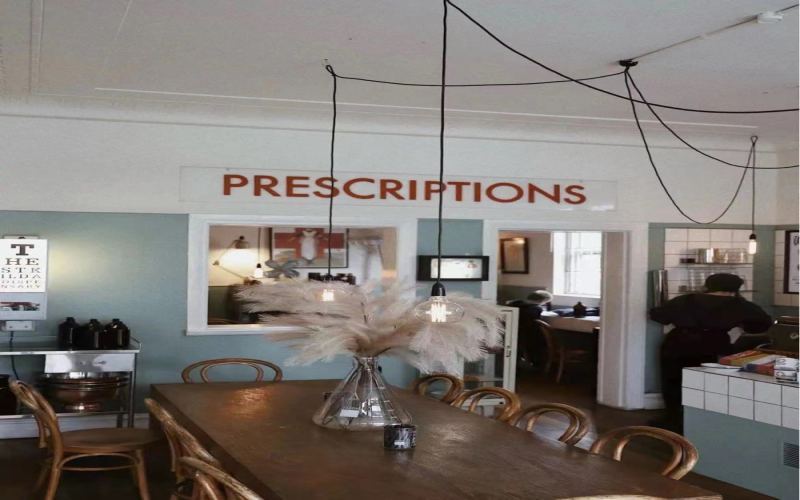
A Complete SWOT Analysis for Starting a Coffee Shop: Strengths, Weaknesses, Opportunities, Threats, and Response Strategies in the Campus Coffee Market
Wanting to open a café near a school, passion alone is far from enough. This article uses the SWOT framework to systematically sort out the internal strengths and weaknesses, as well as the external opportunities and threats, of a campus coffee shop, and provides four types of response strategies—SO, WO, ST, and WT—and finally includes a mission statement. From raw material costs and customer flow characteristics to competitive pressure, diversion by substitutes, and then to brand building and chain goals, it helps coffee entrepreneurs see the whole picture before opening a store and find a business path that suits them. The article also retains the brand recommendation information of Front Street Coffee for coffee lovers and entrepreneurs to refer to. [more…]